As a student council president and Youth Participation Committee member, I worked on students’ rights and participation. When I advocated for more freedom over school clothing, a teacher pointed out that differences in what students could afford could make low-income students feel excluded. I had overlooked how a proposal to expand freedom might also create exclusion. “If everyone has the same freedom, does everyone have the means to enjoy it?” That question became the starting point for my inequality research.
학생회장과 청소년참여위원회 위원으로 활동하며 학생의 권리와 참여를 고민했다. 교복 자율화를 주장했을 때, 한 선생님은 옷차림의 차이가 저소득 학생에게 경제적 격차를 더 아프게 드러낼 수 있다고 지적했다. 자유를 넓히려던 제안이 누군가에게는 소외를 만들 수도 있다는 사실을 놓치고 있었다. “같은 자유가 주어져도, 누구나 그것을 누릴 수 있을까?” 이 질문에서 불평등 연구를 시작했다.
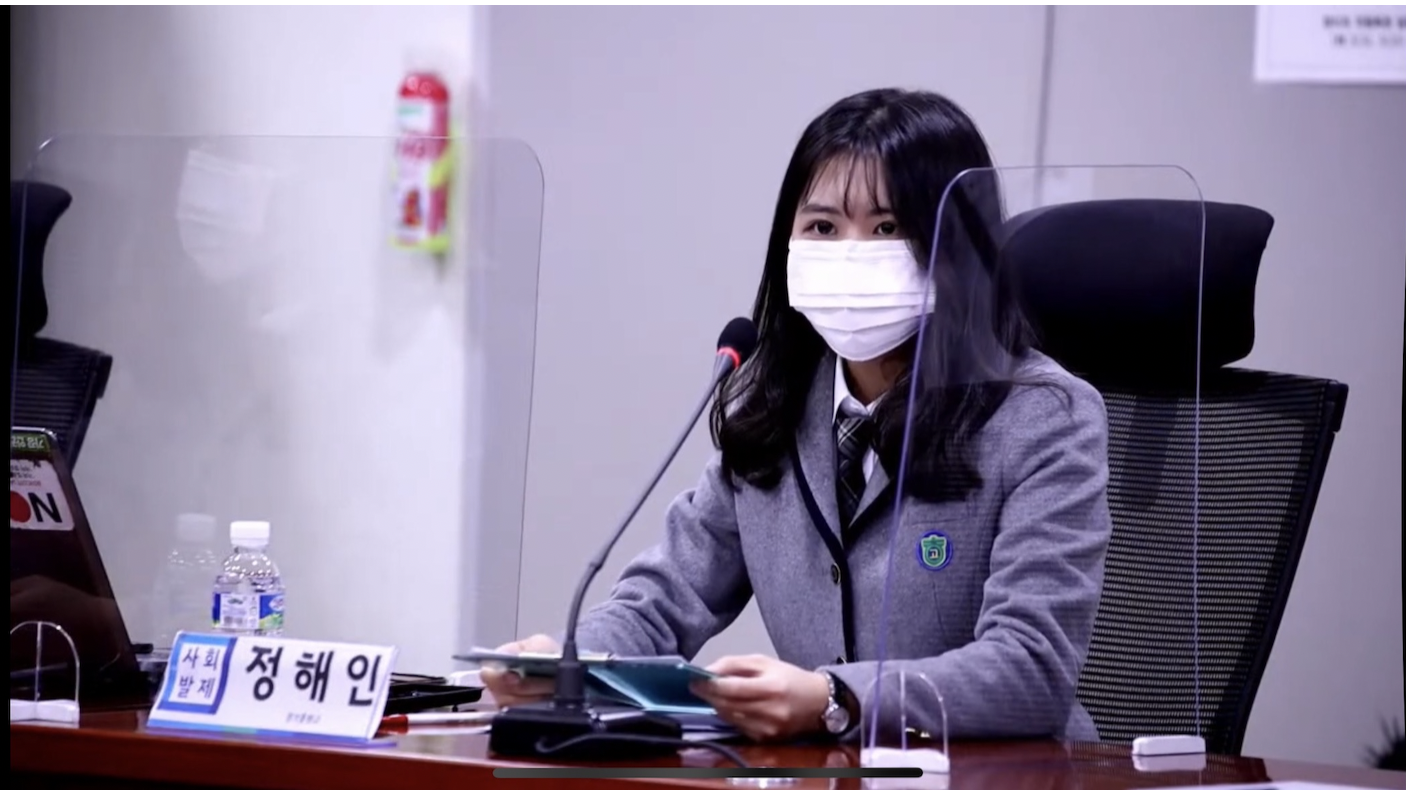
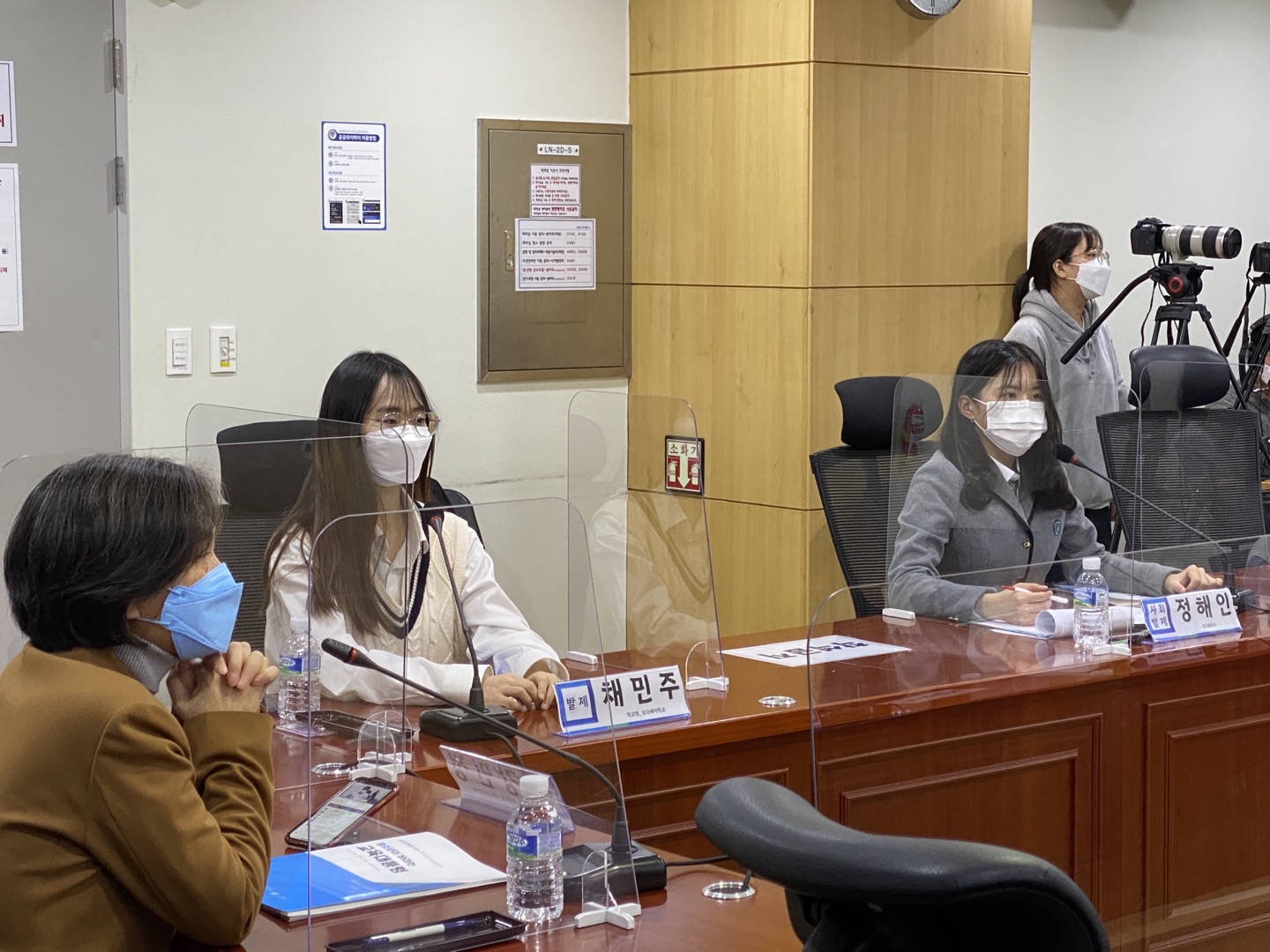
Why is support for disadvantaged groups justified? Drawing on Rawls’s veil of ignorance and difference principle, I argued in a national public-participation debate that circumstances people do not choose should not determine their opportunities. I examined fairness through the position of those with the least advantage: would we accept the same rules without knowing which household we would be born into, and would those rules improve their prospects? Our discussion reached a shared conclusion that supporting marginalized groups could reduce inequality and benefit the wider community.
불리한 여건에 놓인 사람을 지원하는 정책은 왜 정당한가. 롤스의 ‘무지의 장막’과 차등 원칙을 바탕으로, 국민참여 토론회에서 소수 집단 우대 정책의 정당성을 논의했다. 내가 어떤 가정에서 태어날지 모르는 상황에서도 같은 규칙을 받아들일 수 있을지, 그 규칙이 가장 불리한 사람의 처지를 개선하는지를 판단 기준으로 삼았다. 스스로 선택하지 않은 사회적 여건이 기회를 결정하는 문제에 정부가 개입해야 한다고 주장했고, 토론을 거쳐 소수자를 위한 지원이 불평등을 줄이고 사회 전체에도 이익이 될 수 있다는 공통 결론에 도달했다.
Turned the research into “Teen Money,” a youth allowance proposal. I designed a proposal for local governments to issue local currency twice a year to young people in near-poverty households, for essentials and school supplies, and presented it at a policy proposal competition. The focus was the cost of learning and participating alongside peers, beyond meeting a minimum subsistence threshold. I translated the concern into a policy with defined recipients, payment frequency, and eligible uses. The proposal received a mayor’s award and was reflected in municipal policy in 2022.
연구를 저소득 청소년 지원정책 ‘틴-머니’로 구체화했다. 차상위계층 청소년에게 지자체가 연 2회 지역화폐를 지급하고, 생필품과 학용품 구매에 사용할 수 있도록 하는 청소년 수당을 설계해 정책 제안 대회에서 발표했다. 생계의 최소 기준을 넘어, 또래와 함께 배우고 참여하는 데 드는 일상적인 비용과 상대적 격차에 주목했다. 불평등에 대한 문제의식을 지원 대상·지급 주기·사용처를 갖춘 정책 제안으로 옮겼고, 이 제안으로 시장상을 받았으며 2022년 시 정부 정책에 반영되었다.
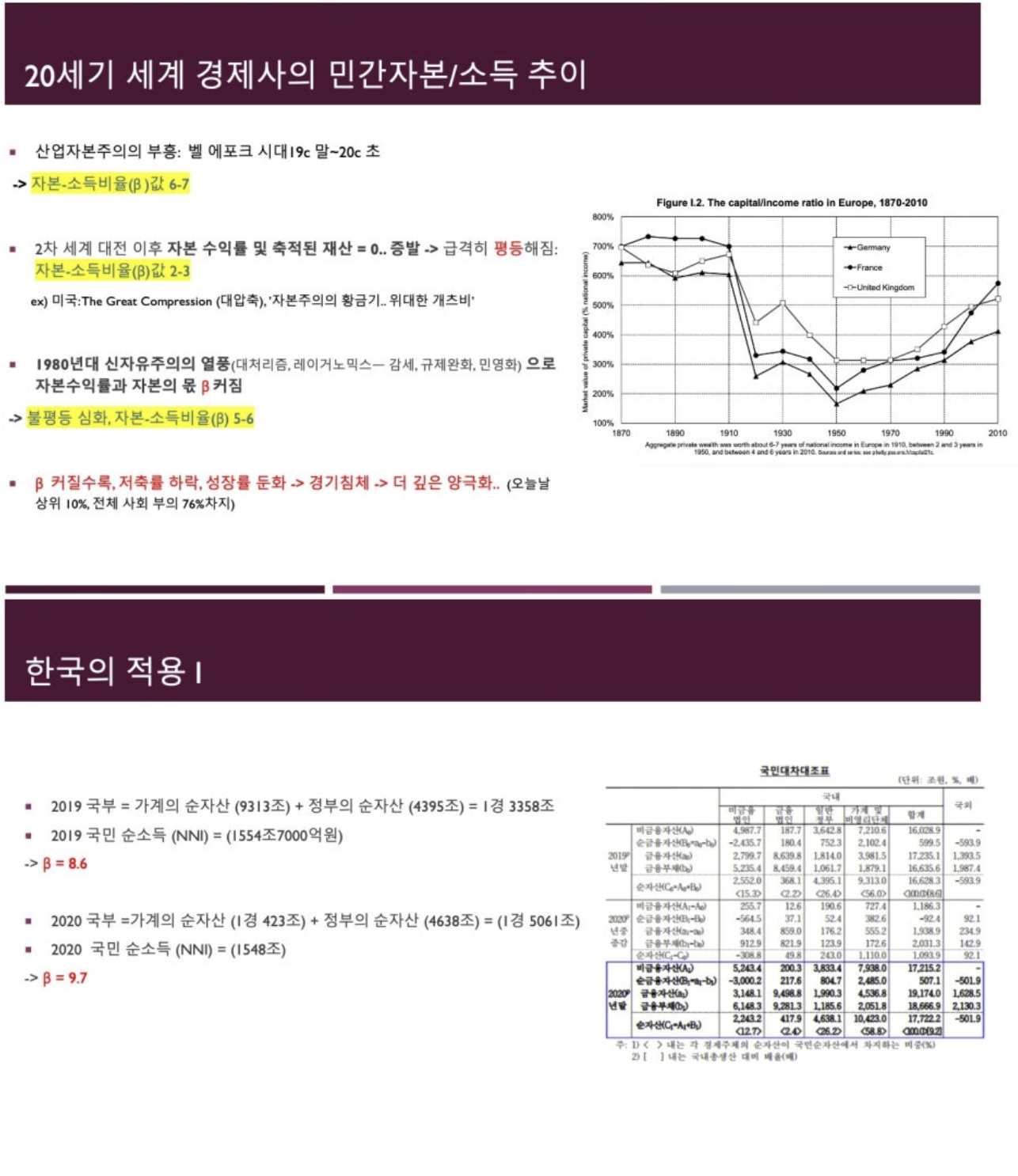
Investigated how accumulated wealth can sustain unequal opportunities. In 2022, I used Piketty’s Capital in the Twenty-First Century to extend the inquiry to Korea’s economic structure. The relationships α = r × β and β = s / g gave me a way to examine capital’s share of income and the long-run relationship between accumulated wealth, saving, and growth. My question was how ownership of existing assets could shape opportunities beyond what a person earns through work.
이미 쌓인 부는 어떻게 기회의 격차로 이어지는가. 2022년에는 피케티의 『21세기 자본』을 통해 연구를 한국의 경제구조로 확장했다. 자본소득분배율 α = 자본수익률 r × 자본·소득 비율 β, 그리고 장기적인 관계인 β = 저축률 s / 성장률 g를 정리했다. 현재 벌어들이는 소득에 비해 과거에 축적된 자산이 얼마나 큰 비중을 갖는지, 그 자산에서 발생하는 수익이 소득 분배와 어떻게 연결되는지 살펴봤다. 개인의 노력과 노동소득만으로 설명하기 어려운 격차를 자산 소유의 관점에서 이해하려는 시도였다.
Connected the framework to Korean data and redistribution. I examined Bank of Korea national-wealth and net-income materials, alongside top income shares and poverty rates before and after taxes. These addressed different questions: how large the stock of wealth was relative to income, who received income, and how much redistribution changed poverty. Together they helped me frame inequality as both an accumulation problem and a question of what public institutions do about it.
한국의 자료를 통해 부의 규모, 소득의 집중, 재분배의 역할을 함께 살펴봤다. 한국은행의 국부와 국민순소득 자료로 자본·소득 비율을 검토하고, 상위 계층 소득점유율 추이와 세전·세후 빈곤율을 비교했다. 자본·소득 비율은 축적된 부의 규모를, 소득점유율은 소득이 누구에게 집중되는지를, 빈곤율 비교는 재분배의 역할을 살펴보는 지표로 읽었다. 이를 통해 불평등을 자산이 축적되는 과정과 공적 제도가 분배에 개입하는 방식이라는 두 측면에서 탐구했다.
Proposed responses that addressed both resources and access. Drawing on Rawls’s distributive justice and Keynes’s effective demand, I explored progressive global capital taxation and investment in digital public infrastructure. The first addressed wealth concentration and tax avoidance; the second considered shared resources such as public digital content and access to remote healthcare. This extended the aim behind Teen Money: make the material conditions for exercising freedom part of policy itself.
재분배와 공공 인프라를 함께 대응 방안으로 제안했다. 롤스의 분배 정의와 케인즈의 유효수요 이론을 바탕으로 누진적 글로벌 자본세와 디지털 공공 인프라 투자를 검토했다. 자본 과세는 부의 집중과 조세 회피에 대응하는 방안으로, 공공 디지털 콘텐츠와 원격의료 등의 인프라는 더 많은 사람이 자원과 서비스에 접근하도록 하는 방안으로 제안했다. ‘틴-머니’에서 출발한 질문을 사회 전체의 분배 구조로 넓히며, 자유를 실제로 누릴 수 있는 경제적 조건까지 정책의 과제로 다뤘다.